
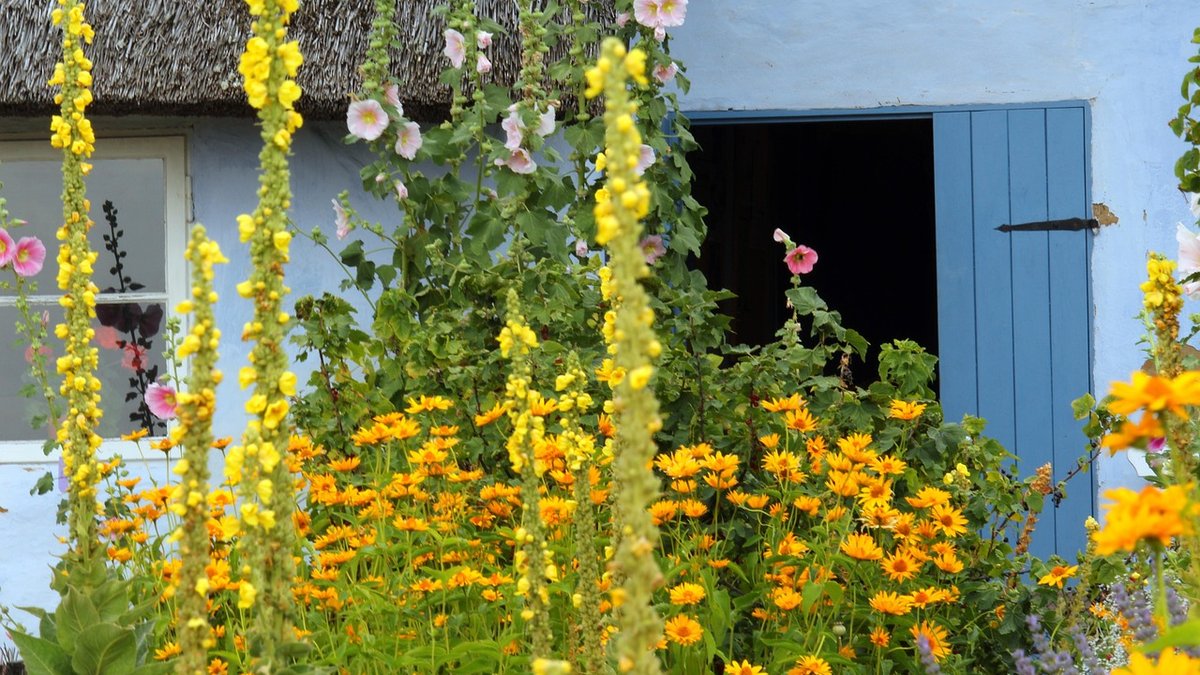
A modest town garden can be one of the richest habitats on the street. Even a courtyard, a paved yard or a balcony with a few pots has room for more life than most people imagine. You do not need a meadow, a pond or an orchard. Three or four deliberate additions — a shallow dish of water, a few native flowers, a pile of logs left undisturbed — will bring birds, bees, butterflies and, if you are lucky, a hedgehog through the fence within a season.
The trick is to think in layers and in seasons. Layered planting gives creatures somewhere to shelter at ground level, somewhere to feed in the middle, and somewhere to nest higher up. Seasonal thinking means making sure there is something useful in flower in March when the first queen bumblebees wake, and something still going in late October. Get those two things roughly right and the rest follows.
If you do only one thing, add water. Birds need it for drinking and bathing all year round, bees and hoverflies drink from it in hot spells, and a shallow dish is far more useful than a deep, steep-sided one. Keep it no more than 4–5cm deep, with gently sloping sides or a pile of pebbles inside so that anything that falls in can climb back out.
Double-flowered bedding plants look cheerful in a garden centre but offer insects almost nothing. Native and near-native flowers are far more generous, and most of them are easy, unfussy plants that cope with ordinary soil.
Then resist the urge to tidy everything away. Leave seedheads standing through the winter — teasel, sunflower and honesty all hold their shape and feed goldfinches when little else is available. A border that looks slightly scruffy in November is a border doing its job.
Rotting wood is the unsung hero of a wildlife garden. A stack of logs in a damp, shaded corner becomes home to beetles, woodlice, fungi and the larvae that feed next year's birds.
Boundaries matter more than most gardeners realise. Solid fencing cuts a garden off from the creatures that would otherwise visit it. Cutting a 13cm square gap at ground level in the bottom of a fence creates a hedgehog highway between gardens — the single most effective thing you can do for them.
Wildlife gardening is less about a big project and more about a gentle routine. In early spring, hold off the big cut until late March so overwintering insects can emerge. In summer, leave one strip of lawn long and cut it just once in late summer, removing the clippings. In autumn, leave hollow stems standing — solitary bees will use them — and let fallen leaves stay where they land under shrubs. In winter, keep the water open, top up the feeders and resist the tidying instinct until the frosts have passed.
Start with the water dish. Add a pot of marjoram and a small log pile nearby. Within a few weeks you will notice the difference — the first blue tit at the bath, a bee working the flowers, a blackbird turning over the leaves. Small gardens, done thoughtfully, are not a poor substitute for the countryside. They are a genuine refuge in the middle of it all.

Hi, my name is Anthony kuber. I am artist and fashion designer.
I love to travel and writing blogging.
Your email address will not be published. Required fields are marked *
Software Developer & Writer
Hey, I'm Diva, a developer and writer blending code and creativity. I'm driven by a deep curiosity and a relentless pursuit of excellence. Join me as I craft digital solutions and captivating stories.


