
Most of us wake up and reach straight for the phone. Within ninety seconds we have read three emails, checked the weather, seen something irritating in a group chat and remembered a bill that needs paying. By the time the kettle has boiled, the day already feels like something to be survived rather than enjoyed.
A calmer approach is not complicated and it does not require getting up at five o'clock or buying anything in particular. It simply means putting a few gentle, deliberate things in front of the noise: a short walk, a proper breakfast and a handful of quiet minutes. Do those three things in that order and the rest of the morning tends to look after itself.
Ten to twenty minutes outside, first thing, is the single most useful habit in a calm morning. It is not really about exercise, although that helps. It is about light, air and the simple fact of being somewhere other than your own kitchen.
Natural daylight in the first hour of waking helps to set your body clock, which in turn makes falling asleep at night that bit easier. In a British winter, when sunrise can be well after eight, even a grey, drizzly walk is far more useful than none at all.
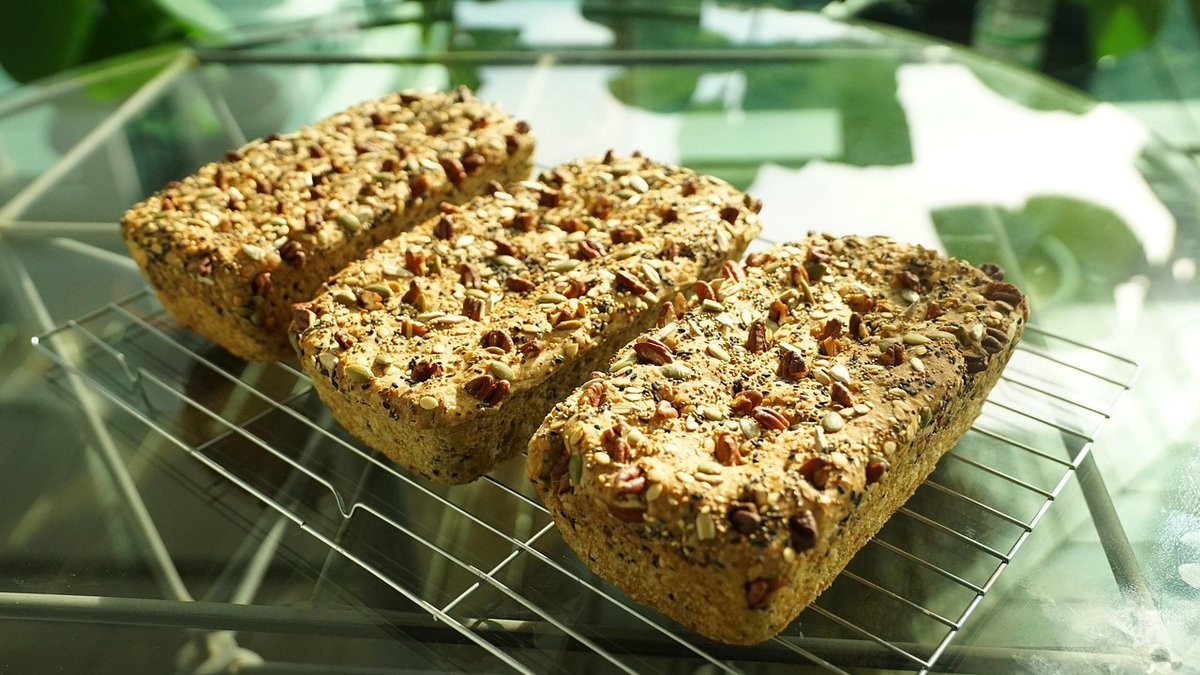
A proper breakfast does not have to mean a cooked fry-up, though on a Saturday, why not. It means something with a bit of substance, eaten at a table rather than over the sink or on the way out of the door.
Whatever you choose, sit down. Put the radio on, or don't. Use a plate. A breakfast eaten standing up while scrolling is barely a meal at all — it is just fuel, and you will not remember it ten minutes later.
If you drink tea or coffee, make it properly and drink it while it is hot. That sounds like a small thing. It isn't.
Once you have walked and eaten, give yourself five to fifteen minutes of not very much at all. This is the part most people skip, and it is the part that makes the rest feel calm rather than merely efficient.
Notice what is not on that list: chores. The washing up, the laundry basket and the hoover will all still be there in half an hour. Doing them now, before you have properly arrived in the day, is how mornings turn into a treadmill.
This is the hardest part, so treat it as a separate job rather than something you will simply manage by willpower.
If a full hour is too much at first, try twenty minutes. The point is to have some part of the morning that belongs to you rather than to your inbox.
Start with one element, not three. Walk for a week before you worry about breakfast. Get breakfast settled before you attempt the quiet minutes. Habits stack far more reliably when they are added one at a time.
Expect the routine to shift with the seasons. In summer you may be out at half six with the birds; in January you may be walking in the dark with a coat on, which is fine and still counts. Weekends can be slower and longer, with a proper pot of tea and a second cup.
And be forgiving. A bad night's sleep, a poorly child or an early train will knock the whole thing sideways, and that is not failure — it is just Tuesday. The aim is not a perfect morning. It is a morning where you have walked, eaten and sat still for a few minutes before the day starts asking things of you. Do that most days and you will feel the difference within a fortnight.

Hi, my name is Anthony kuber. I am artist and fashion designer.
I love to travel and writing blogging.
Your email address will not be published. Required fields are marked *
Software Developer & Writer
Hey, I'm Diva, a developer and writer blending code and creativity. I'm driven by a deep curiosity and a relentless pursuit of excellence. Join me as I craft digital solutions and captivating stories.


